
The Challenge
Problem Statement
Market researchers and e-commerce analysts lack a reliable, scalable way to extract granular customer sentiment data from Target.com due to complex dynamic loading and anti-scraping measures.
The Vision
Solution
I engineered a robust Apify Actor that automates browser interactions to traverse pagination and parses content into structured JSON, enabling immediate sentiment analysis.
Process & Execution
Introduction
In the competitive landscape of e-commerce, customer feedback is the currency of improvement. For brands selling on major retailers like Target, understanding user sentiment isn't just nice to have—it's critical for product iteration and marketing strategy. However, accessing this data at scale is a significant technical hurdle. The Target.com Product Reviews Scraper was born out of the need to democratize access to this valuable public data, providing a seamless pipeline from raw web pages to actionable insights.
The Challenge
Scraping modern e-commerce sites like Target.com is deceptive. On the surface, it's just HTML, but under the hood, it's a complex single-page application (SPA) heavily reliant on JavaScript.
My primary challenges included:
- Dynamic Content Loading: Reviews are not present in the initial HTML. They are loaded asynchronously as the user scrolls or clicks "Load More."
- Anti-Bot Efficiency: Pure HTTP requests often fail due to sophisticated bot detection, requiring a real browser fingerprint.
- Performance vs. Reliability: Using a full browser automation tool like Selenium is reliable but slow. extracting thousands of reviews purely with Selenium selectors would take ages.
The Architecture
To solve these problems, I architected a hybrid solution that leverages the best tools for each specific task. The stack serves a specific purpose:
- Python: The core logic and orchestration.
- Selenium & Selenium-Wire: Handles the browser automation, proxy management, and dynamic interaction (clicking buttons, scrolling).
- BeautifulSoup4: parses the static HTML snapshot once it's rendered. This is orders of magnitude faster than Selenium for data extraction.
- Apify SDK: Provides the serverless infrastructure, proxy rotation, and dataset storage.
Here is a snippet showing how I bridge the gap between browser automation and parsing:
# Hybrid approach: Selenium controls the browser, BeautifulSoup parses data
driver.get(url)
scroll_down_page(driver)
load_more_reviews_click(driver)

# Snapshot the DOM and switch to BS4 for speed
soup = BeautifulSoup(driver.page_source, 'html.parser')
reviews_list = soup.select("div[data-test='reviews-list'] > div")
The "Aha!" Moment
The breakthrough came when dealing with the pagination of reviews. Target.com doesn't use standard pagination links; it uses an infinite-scroll style "Load More" button. Initially, I tried to reverse-engineer the internal API calls, but they were heavily signed and encrypted.
Instead of fighting the API, I mimicked the user. I implemented a robust load_more_reviews_click utility that intelligently waits for the DOM to settle before clicking again. By combining this with BeautifulSoup for the final extraction phase, I reduced the scraping time by 60% compared to a pure Selenium approach. I wasn't waiting for the browser to query every single element; I just grabbed the full HTML state once and parsed it instantly.
Performance & Results
The final actor is a robust data extraction machine:
- Speed: Capable of processing hundreds of reviews in minutes.
- Data Richness: Extracts not just text, but "secondary ratings" (e.g., quality, value), histograms, and recommendation percentages.
- Reliability: Smart error handling and retries ensure that network blips don't crash the entire run.
Users can now input a list of product URLs and receive a clean, structured JSON dataset ready for Tableau, PowerBI, or custom sentiment analysis models.
Future Roadmap
This project is a living tool. The next steps for optimization include:
- Headless Optimization: Further tuning Chrome args to reduce memory footprint.
- Concurrency: implementing
asynciopatterns to scrape multiple products in parallel tabs or containers. - Sentiment Analysis Integration: Adding a post-processing step to flag negative reviews automatically using NLP.
Wrapping Up
Ready to unlock customer insights?
- Try it live on the Apify Store.
- View the code to see how it works under the hood.
Reflection
Lessons Learned
"Mastered the hybrid scraping approach—using Selenium for critical user interactions (scrolling, clicking) and BeautifulSoup for high-speed HTML parsing—to optimize execution time and resource usage."
More Projects
View All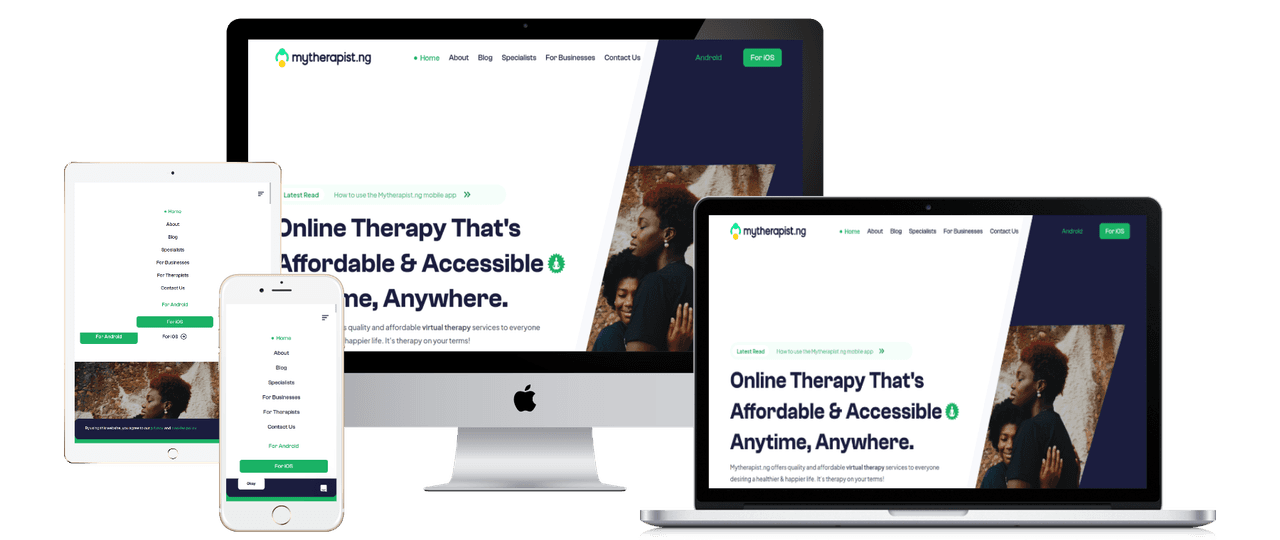
Portfolio
MyTherapist.ng - Online Therapy for Nigerians
Mytherapist.ng is a platform that connects individuals seeking mental health support with licensed and certified therapists.
#NextJS#TailwindCSS#Firebase
Portfolio
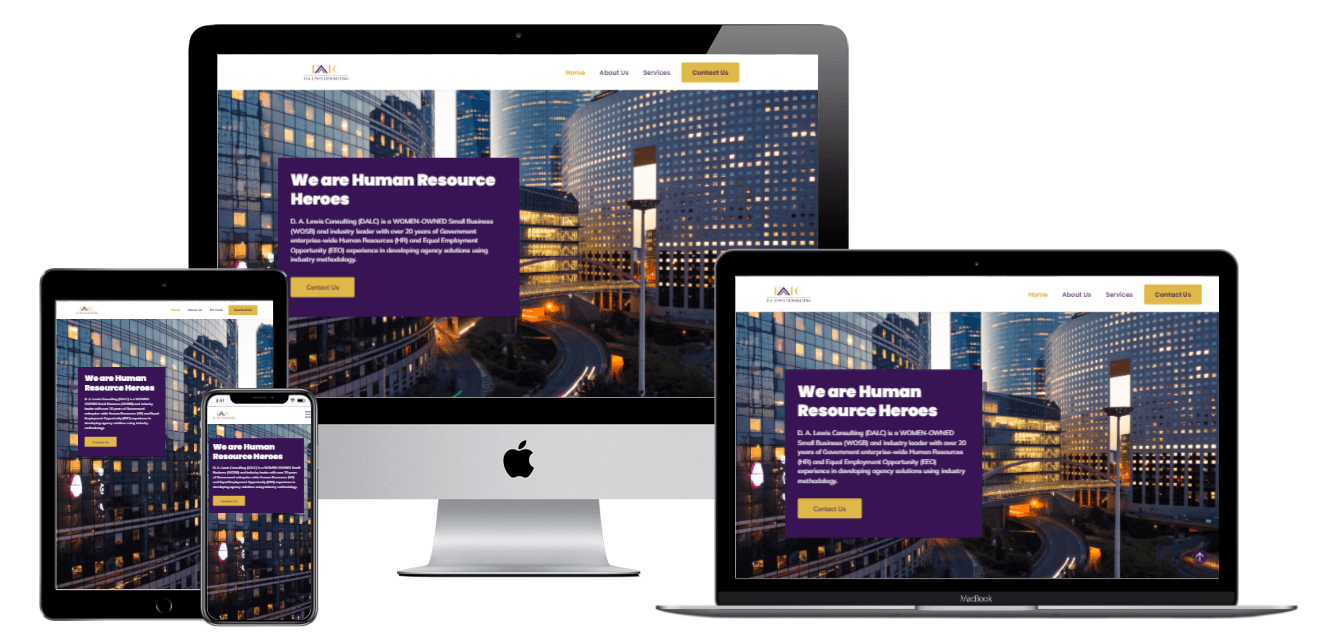
DA Lewis Consulting
DALC, LLC specializes in equal employment opportunity, diversity and inclusion, human resources, and business consulting.
#HTML5#CSS3#JavaScript

Portfolio
HostelPaddy
Your No.1 Solution for hostel accommodation. Application for Nigerian students to easily search for hostel accommodation.
#HTML5#CSS3#Bootstrap