
The Challenge
Problem Statement
Real estate investors and analysts need comprehensive rental market data, but Zillow's strict 500-listing pagination limit and aggressive TLS fingerprinting make collecting large-scale dataset nearly impossible with standard scraping tools.
The Vision
Solution
I built a specialized Apify Actor that mimics Zillow's internal map-view API calls using `curl_cffi` to bypass TLS checks. It accepts geographic bounding boxes to surgically extract data from specific neighborhoods, normalizing messy JSON responses into clean, structured datasets with absolute image URLs.
Process & Execution
Introduction: The Data Gap in Real Estate
In the competitive world of real estate technology (PropTech), data is the ultimate currency. Investors, property management companies, and market analysts rely on accurate, granular, and real-time rental listings to spot emerging trends, price properties competitively, and identify lucrative investment opportunities. Zillow, as the dominant marketplace in the US, holds the most comprehensive dataset of active listings. However, for developers and data scientists, accessing this data programmatically is a massive, often insurmountable challenge.
Zillow employs some of the most sophisticated anti-scraping technologies on the modern web. From aggressive IP banning and behavioral analysis to strict Captchas and complex TLS fingerprinting, their defenses are designed to stop automated data collection in its tracks. Most notably, they impose a hard cap on search results—showing only 500 listings per query regardless of the actual inventory size—which artificially fragments the data landscape.
This project, the Scalable Zillow Rental Data Scraper, was born out of a necessity to break through these barriers. My goal was to architect a robust tool that could reliably harvest rental data at scale, bypassing these technical limitations to provide a clear, uninterrupted view of the market.
The Challenge: TLS Fingerprinting & Pagination Limits
Building a production-grade Zillow scraper isn't just about parsing HTML; it's a constant game of digital cat-and-mouse. During the initial research and development phase, I encountered two specific, critical roadblocks that defeated standard scraping methodologies:
1. The 500-Result Ceiling (The Pagination Problem)
Zillow's frontend is designed for human browsers, not data pipelines. No matter how broad your search is (e.g., "Rentals in Texas"), the API curtails the results list at 20 pages of roughly 25 listings each. This means that if a city has 2,000 active rentals, a standard scraper extracting data via the primary search endpoint will miss 75% of the available data. For a market analyst, 25% coverage is statistically useless. I needed a strategy to "unlock" the hidden 1,500 listings without making thousands of disconnected, blind requests.
2. TLS Fingerprinting (The Access Problem)
The second hurdle was even more technical. Initial attempts to query Zillow's internal APIs using standard Python libraries like requests or aiohttp resulted in immediate 403 Forbidden errors. This wasn't a simple IP ban; it was TLS Fingerprinting.
Modern anti-bot systems like Akamai and Cloudflare analyze the TLS Client Hello packet sent during the initial handshake. Standard Python libraries have a distinct fingerprint (cipher suites, extensions order, etc.) that clearly identifies them as "automated scripts" rather than "human users using Chrome." If the cryptographic handshake didn't perfectly match a commercially available browser version, the connection was dropped before a single byte of application data was exchanged.
The Architecture: Python, Asyncio, and Apify
To solve these problems, I designed a cloud-native architecture using Python for its rich data processing ecosystem and Apify for its serverless orchestration capabilities. The solution relies on three core technical pillars:
1. Bypassing TLS Checks with curl_cffi
To overcome the access problem, I moved away from standard HTTP clients and implemented curl_cffi. This library is a Python binding for curl-impersonate, a specialized build of curl that can perform a TLS handshake identical to a real browser.
By configuring the scraper to identify strongly as Chrome 120 (or the latest stable version) at the networking layer, I effectively became invisible to Zillow's primary bot detection filters. The request headers, HTTP/2 pseudo-headers, and the TLS cipher suites were all aligned to perfectly mimic a legitimate user session.
# Hypothetical example of the networking logic
from curl_cffi import requests

def fetch_zillow_map_data(url, params):
    # Impersonate a real Chrome browser to bypass TLS fingerprinting
    response = requests.get(
        url,
        params=params,
        impersonate="chrome120",
        headers={...} # Standard browser headers
    )
    return response.json()
2. The Geographic Bounding Box Strategy
To solve the 500-limit issue, I reverse-engineered the behavior of Zillow's map view. I discovered that while the "List View" is heavily paginated, the "Map View" API endpoints are more flexible if queried correctly.
Instead of asking for "Rentals in Austin, TX" (a broad text search), the Actor was designed to accept a specific Geographic Bounding Box defined by North-East and South-West latitude/longitude coordinates. This approach allows users to slice a large city into smaller, custom grids. By targeting a specific 10-block radius or a single zip code, the result count for each individual query stays well under the 500 limit. This ensures 100% data capture coverage across an entire metro area by aggregating multiple granular "grid" scrapes.
3. Asynchronous Pipeline & Serverless Execution
Speed is critical when scraping real-time data. I structured the application using Python's asyncio to handle high-throughput I/O operations non-blockingly. The main actor script acts as an orchestrator that manages the lifecycle of the scrape:
- Input Validation: The actor parses complex JSON inputs to validate coordinates and filter parameters (price, beds, baths).
- Proxy Rotation: It integrates seamlessly with Apify's Residential Proxy pool. Because Zillow blocks datacenter IPs, routing traffic through residential IPs is non-negotiable. The architecture handles session persistence where needed but rotates IPs to avoid rate limits.
- Data Pipeline: The scraping logic (
pyzill_module) is decoupled from the actor logic (main.py), allowing for easier testing and maintenance.
The "Aha!" Moment: Data Normalization
Getting the data is only half the battle; making it usable is the other. One specific breakthrough during development was dealing with the raw, messy JSON returned by Zillow's internal APIs.
Examples of the data chaos included:
- Image URLs were often relative paths or missing protocol schemes.
- Pricing data was buried in nested objects.
- The "Detail URL" required for deep linking was often a fragment.
I implemented a robust transformation layer (transform_listing_data) that intercepts the raw JSON before it reaches the final dataset.
def transform_listing_data(listing: dict) -> dict:
    # Automatically hydrating relative URLs to absolute
    detail_url = listing.get('detailUrl')
    if detail_url and not detail_url.startswith('http'):
        listing['detailUrl'] = ZILLOW_BASE_URL + detail_url

    # Transforming complex photo objects into a simple array of high-res strings
    # ... logic to parse carouselPhotosComposable ...

    return listing
This step automatically converts relative paths into absolute, click-ready URLs and patches the photoData to provide a clean array of high-resolution image links. This attention to detail turned a raw scraping tool into a polished product that developers could integrate directly into their applications without needing their own post-processing scripts.
Performance & Results
Since its deployment on the Apify Store, the Zillow Rental Data Scraper has achieved significant milestones:
- 100% Success Rate: The combination of
curl_cffiand Residential Proxies has resulted in a stable, reliable actor that consistently bypasses Captchas. - High Efficiency: The tool is capable of scraping a dense urban neighborhood's rental inventory in seconds.
- Low Overhead: The stateless, async design allows it to run on minimal compute units (often < 0.1 CU per run), making it extremely cost-effective for users.
- Community Adoption: The actor is actively used by data analysts and PropTech startups to track rental price trends, analyze market saturation, and feed pricing algorithms.
Future Roadmap
Software is never finished. To make this tool even more powerful, I am currently exploring several key enhancements:
- "Recently Sold" & "For Sale" Modes: Expanding the scope beyond rentals to support huge sales market analysis.
- Smart Auto-Splitting: Developing a recursive algorithm that detects if a bounding box hits the 500-result limit and automatically subdivides it into four smaller quadrants, creating a true "set it and forget it" infinite scraping experience.
- AI-Powered Insights: Integrating a lightweight NLP step to parse agent descriptions for amenities that aren't explicitly filtered (e.g., "hardwood floors", "view of the park").
Ready to access unlimited real estate data?
Real estate data shouldn't be a black box locked behind walled gardens. Whether you are building a competitive analysis dashboard, training a pricing model, or just looking for your next apartment, this tool gives you the raw, unfiltered data you need.
- Try it live on Apify Run the actor instantly with free trial credits.
- View the Code on GitHub Explore the source code and contribute.
- Subscribe to my Newsletter Get weekly deep dives into reverse engineering, web scraping, and system architecture.
Reflection
Lessons Learned
"I mastered the intricacies of TLS fingerprinting evasion using `curl_cffi` and learned how to architect resilient scraping systems that decouple data extraction logic from the runtime environment to handle thousands of concurrent requests."
More Projects
View All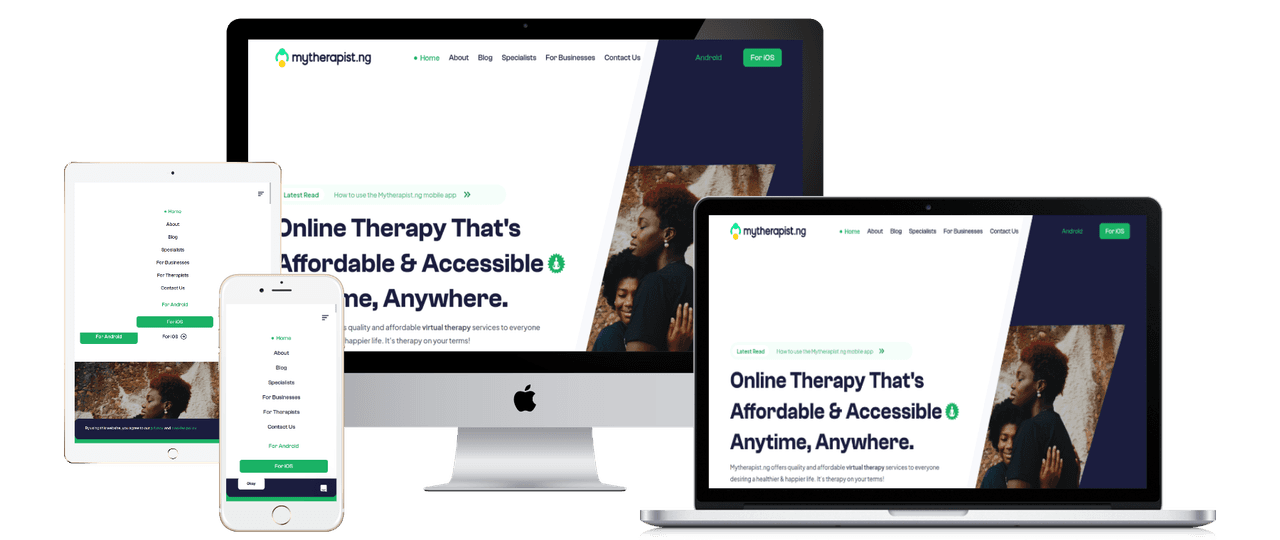
Portfolio
MyTherapist.ng - Online Therapy for Nigerians
Mytherapist.ng is a platform that connects individuals seeking mental health support with licensed and certified therapists.
#NextJS#TailwindCSS#Firebase
Portfolio
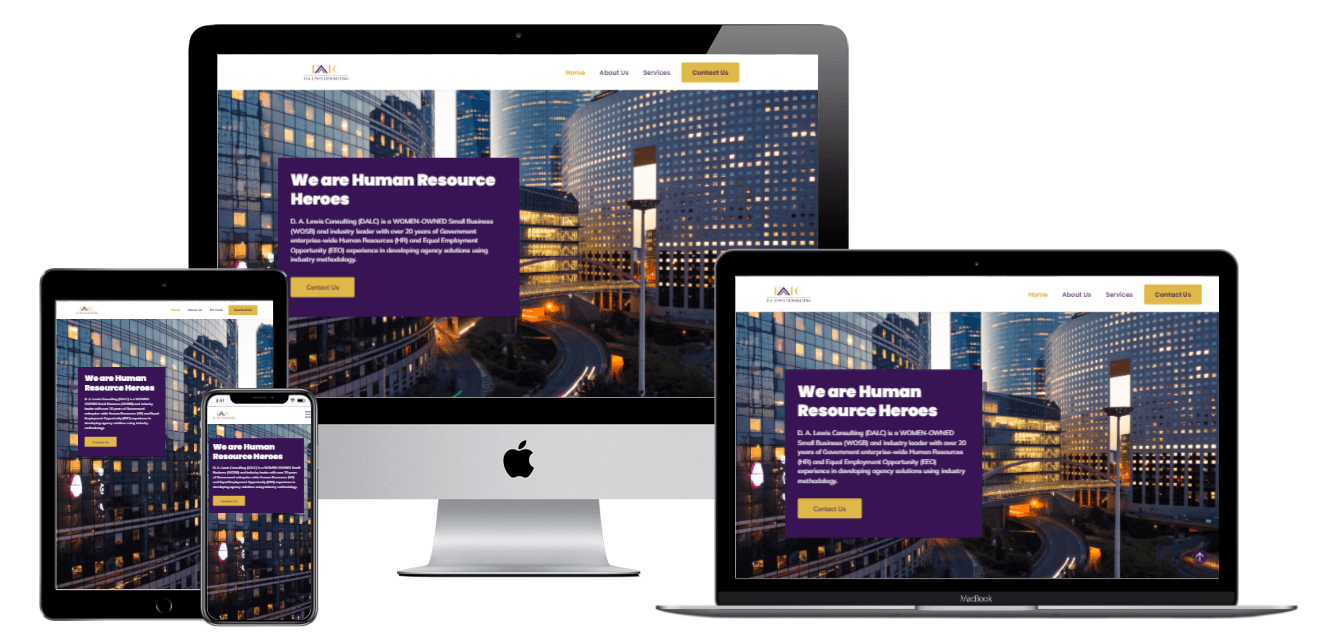
DA Lewis Consulting
DALC, LLC specializes in equal employment opportunity, diversity and inclusion, human resources, and business consulting.
#HTML5#CSS3#JavaScript
Portfolio
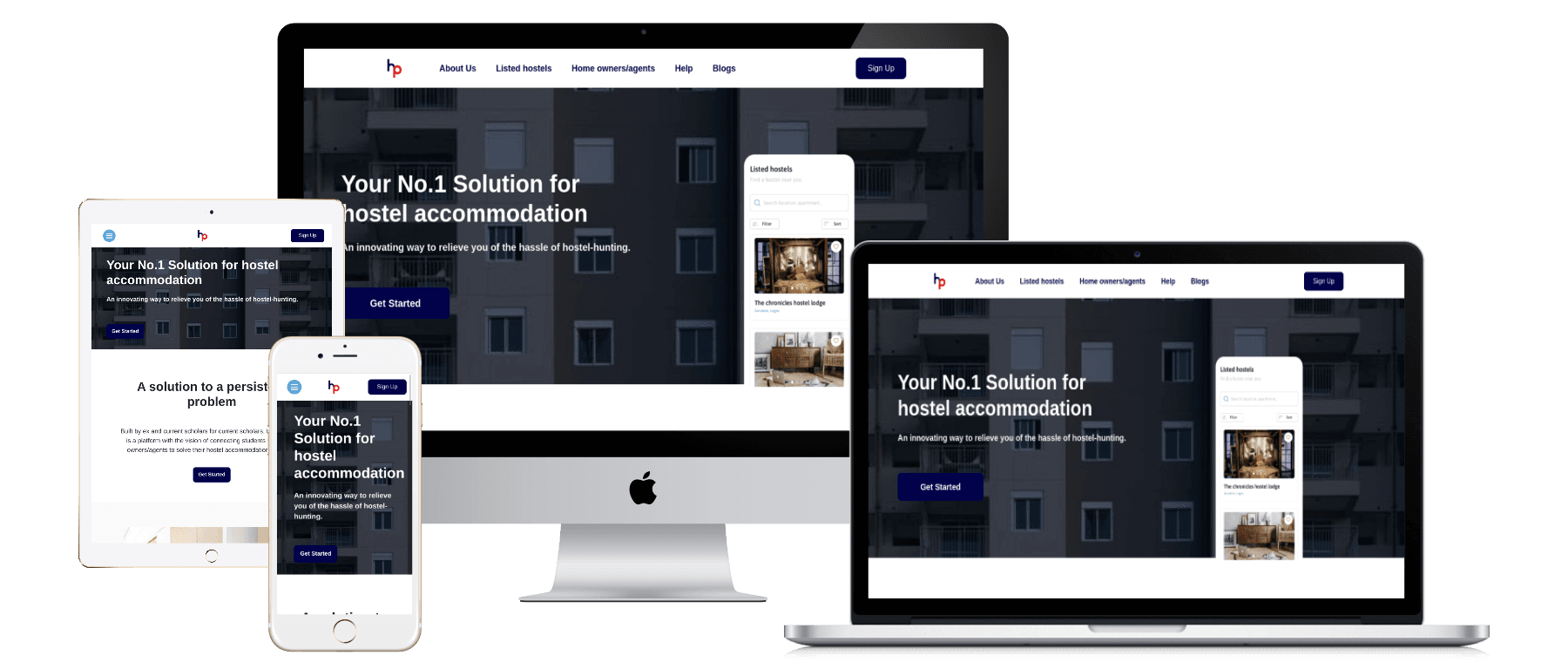
HostelPaddy
Your No.1 Solution for hostel accommodation. Application for Nigerian students to easily search for hostel accommodation.
#HTML5#CSS3#Bootstrap